
跳到主要内容
相机X-H SERIES2018

Fujifilm X-H1

Fujifilm X-H1 film simulation recipes pair five tested looks with a 24.3 MP X-Trans III sensor and in-body stabilization. Because the X-H1 has no Classic Negative, these X-Trans III recipes use Classic Chrome, PRO Neg. Std and Acros instead. They suit shooters who want ready-made JPEG settings. IBIS keeps slower handheld shots steady while the recipe handles tone and contrast.
5
兼容配方
16
胶片模拟
24.3 MP
传感器
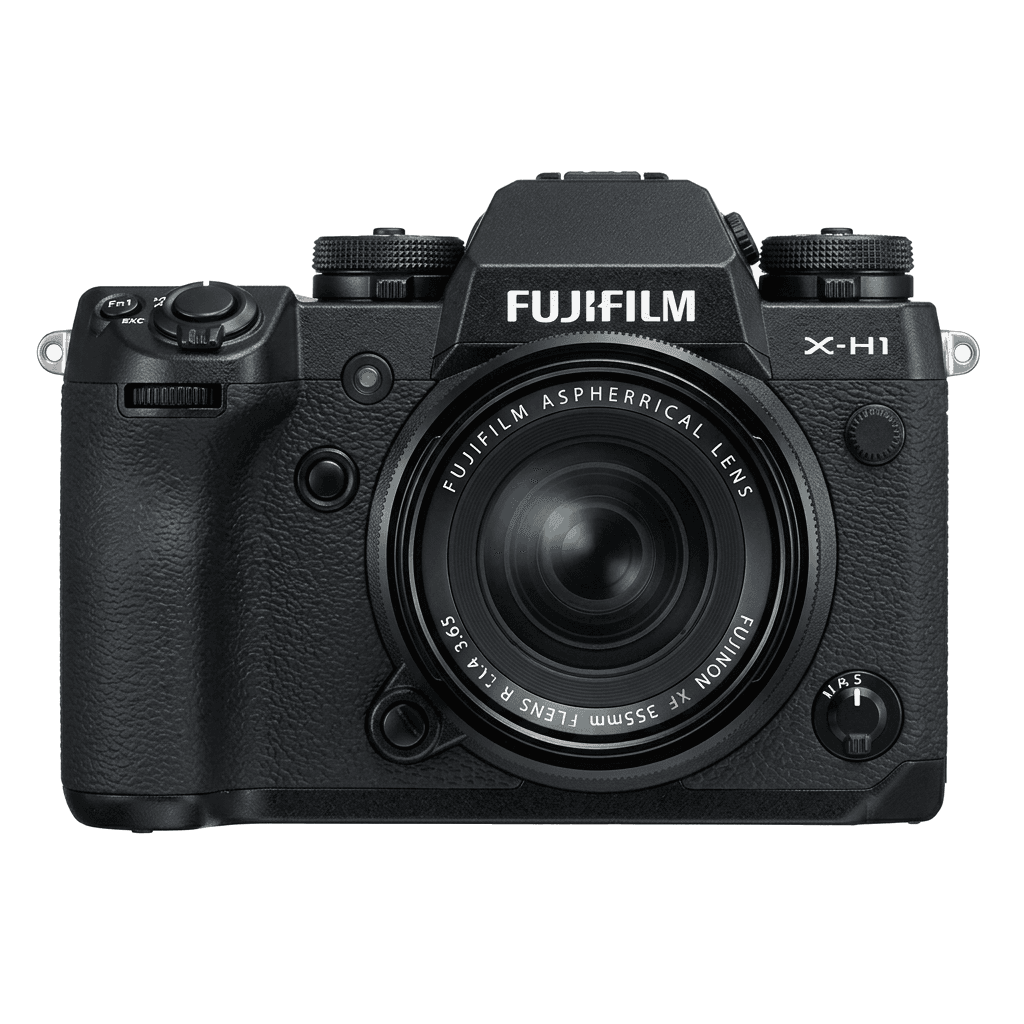
X-H1 studio product photo
核心规格

X-H1 的内在。

FujiPic 上的每个配方都在这台机身上实测过。规格取自富士官方数据,并附上我们对胶片模拟相关功能的说明。

完整规格表 ↗
传感器系列

X-H1 使用 X-Trans III —— 看看这颗传感器有何特别。

了解传感器 →
这台相机的配方

为 X-H1 调校的 5 个配方。

查看全部 ↗
设置提示

套用配方前要知道的三件事。

  1. 01

    更新固件

    请确保你的 X-H1 已升级到最新固件——较新的配方会用到旧固件里没有的参数。

  2. 02

    善用 C 档位

    把每个配方存进 C1–C7 自定义预设。之后通过 Q 菜单即可秒切,无需重新输入数值。

  3. 03

    自动白平衡

    FujiPic 的多数配方使用自动白平衡加色温偏移。设定偏移量即可,色温交给相机处理。

常见问题

关于这台相机。

X-H1 supports recipes for X-Trans III sensors, like those for X-Pro2. It lacks Classic Negative.
Yes, the X-H1 is the first X-mount body with in-body image stabilisation, offering up to 5.5 stops.
Press Menu, navigate to 'Image Quality', select 'Film Simulation', adjust settings, then save to a custom slot.
Not as written. The X-H1 lacks Classic Negative, so those recipes, like many recipes for newer Fujifilm cameras, cannot be copied directly. Some sites publish X-Trans III versions that imitate the look with other simulations. FujiPic's X-H1 recipes avoid it entirely.
The Fujifilm X-H1 offers 16 film simulations. FujiPic's five X-H1 recipes use three of them: Classic Chrome, PRO Neg. Std and Acros. Each recipe page names its base simulation, so you see the starting point before following our custom slot setup guide.
Yes, in most cases. The X-H1 and X-E3 both use a 24.3 MP X-Trans III sensor, so recipe settings, including Grain Effect settings, move between them. The X-H1 adds IBIS, which helps handheld shots but does not change how a recipe renders.
相似机型

如果你用 X-H1,也许会喜欢……