Ir para o conteúdo principal
Pro recipex-trans-ivCLASSIC NEGATIVE

Retro Colour Frame

Rich, nostalgic tones with a touch of grain for timeless imagery.
Imagens de exemploDireto da câmera

Veja como fica antes de configurar.

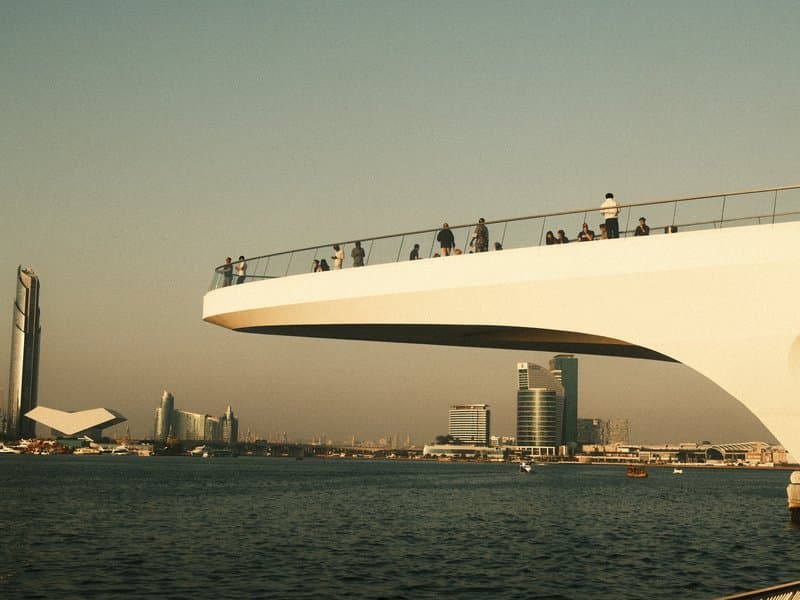
A modern bridge with people walking on it, overlooking a city skyline at sunset.
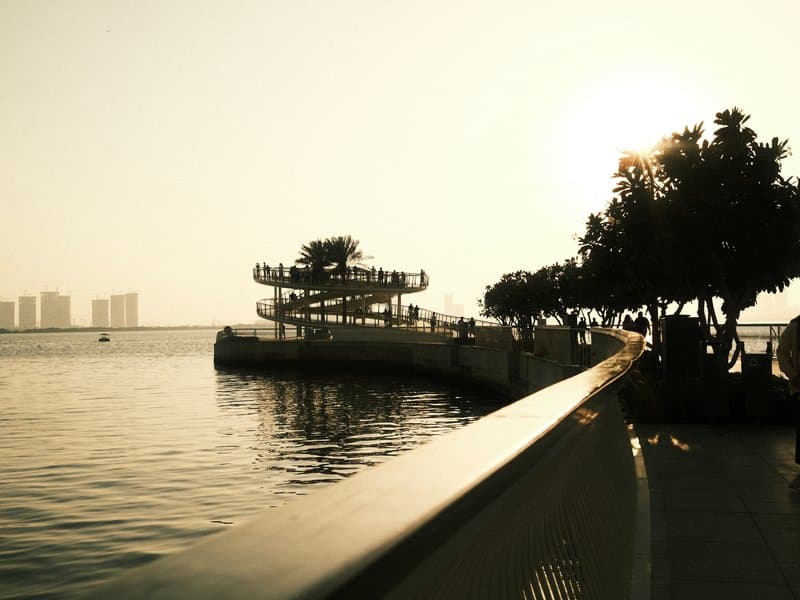
A serene waterfront scene with a winding path, trees, and a distant city skyline at sunset.
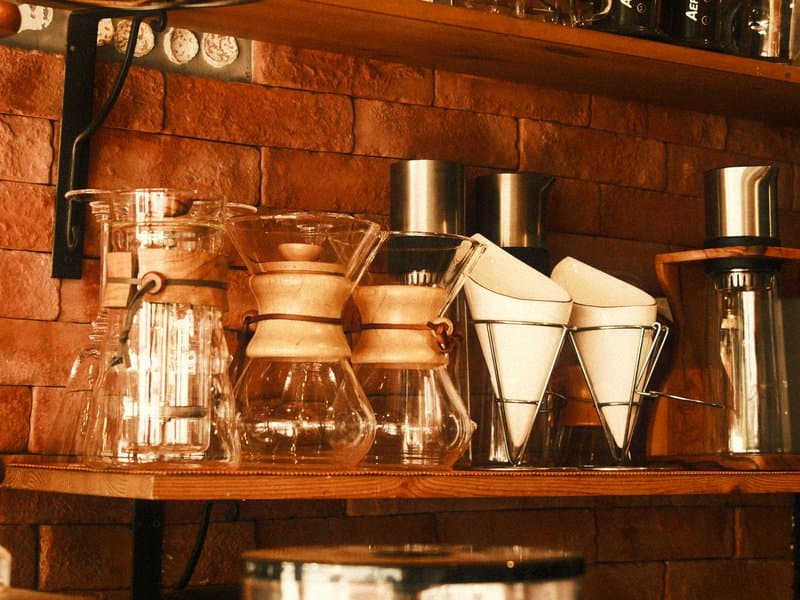
A collection of coffee brewing equipment on wooden shelves against a brick wall.
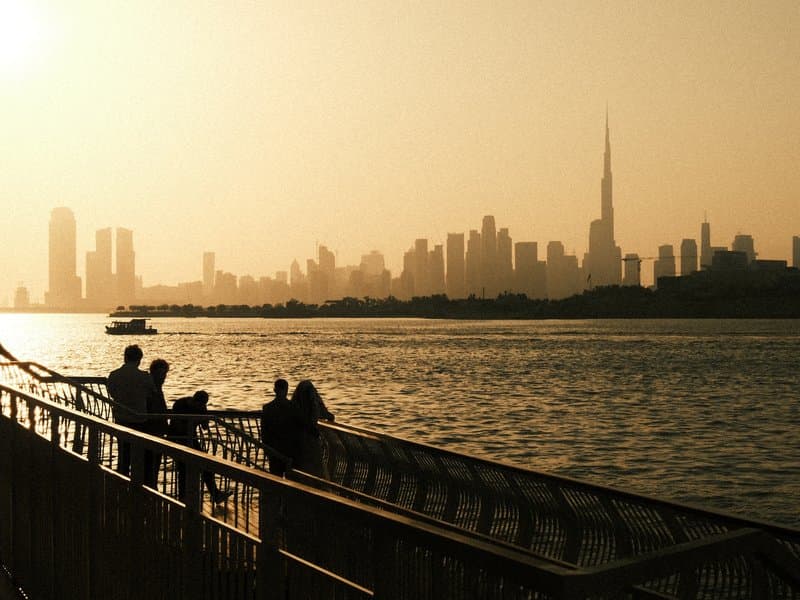
Silhouette of a city skyline at sunset with people on a pier overlooking the water.

Unedited JPEGs from x-trans-iv bodies — straight out of camera.

Sobre esta receita

Retro Colour Frame gives modern scenes the character of an old holiday print, with golden warmth, deep shadows, and coarse film grain. Built on Classic Negative, it pushes colour and contrast toward a nostalgic, slightly yellow-green finish that feels especially at home on overcast city streets and beneath low evening light. Textured architecture gains a striking mix of aged colour and graphic shadows. For studio portraits or clean, open landscapes, this look can feel too heavy.

Seção 01Pro

Todos os ajustes

This is a FujiPic Pro recipe. The film simulation is on the house; the other 15 settings unlock with Pro.

ParâmetroValorCopiar
Film SimulationClassic Negative
Dynamic Range
Highlight
Shadow
Color
Sharpness
Pro recipe15 settings hidden

The rest of this recipe is Pro.

Unlock every value for Retro Colour Frame — and every other premium recipe in the library.

Already Pro? Sign in
  • Every setting, unlockedAll premium recipes, every value.
  • Match any photoUpload a photo, get the recipe behind it.
  • Your own collectionsOrganise recipes the way you shoot.
  • Unlimited savesKeep every look you love.
Seção 02

Compatibilidade

Feita para sensores x-trans-iv and gfx. Testada nos corpos abaixo.

Sensores

Câmeras

Notas de captura

Quando essa receita brilha.

Retro Colour Frame leans into the look of a well-loved consumer colour negative printed a little too warm. Classic Negative supplies the hard-edged colour separation, and a warm white balance pulled towards yellow-green gives highlights an aged, golden glow. Tones are pushed firmly: bright areas bloom and shadows sink into dense, inky pools, so light and shade carve the frame into bold shapes. Colour is held back slightly, which keeps the warmth from turning garish, while softened micro-contrast and heavy, large grain take the digital edge off every surface. The result feels like a print pulled from a shoebox of old holiday snaps. It sings on overcast streets and in low, golden light, where brick, concrete and signage pick up that nostalgic cast and the grain has texture to sit on.

Reach for Retro Colour Frame on overcast city days, in golden-hour streets and around textured architecture, where its warmth and contrast add character. It is not a studio portrait recipe: the heavy grain and warm cast are unkind to controlled skin tones, and pure landscapes can feel muddy rather than clean.

Onde se destaca

  • ✓Golden, aged warmth that flatters brick, concrete and signage.
  • ✓Deep shadows give flat, overcast streets real graphic punch.
  • ✓Coarse grain delivers a convincing printed-film texture.

O que observar

  • !Strong contrast can clip highlights in harsh midday sun.
  • !DR400 raises the minimum ISO, limiting wide apertures in daylight.
  • !Warm yellow-green cast is unflattering for studio portraits.
Perguntas frequentes

Sobre esta receita.

Retro Colour Frame is designed for Fujifilm X-Trans IV and GFX cameras. Compatible models include the X-E4, X-Pro3, X-S10, X-T30 II, X-T4, X100V, and GFX100S. This gives photographers several options across Fujifilm's interchangeable-lens, fixed-lens, and medium-format systems.
Overcast city streets and low golden-hour light are ideal settings for Retro Colour Frame. Its warm cast, deep shadows, and heavy grain give urban scenes a nostalgic printed-film character. Evening walks around bridges, waterfront paths, and city skylines are particularly fitting when you want atmosphere rather than a clean, neutral rendering.
The recipe combines warm, aged colour with strong contrast and dense shadows, giving surfaces such as brick, concrete, and signage a more pronounced character. Architectural structures can take on a graphic quality as light and shade define their shapes. Low, golden light helps reinforce the recipe's nostalgic finish.
Retro Colour Frame is not recommended for studio portraits. Its heavy, large grain adds pronounced texture, while the warm yellow-green cast can be unflattering to controlled skin tones. For portrait sessions where natural complexion and subtle detail matter, a recipe with a more restrained colour balance would be a safer choice.
Harsh midday sunlight can be difficult for Retro Colour Frame because its strong contrast may cause highlights to clip. The recipe is better suited to overcast streets and low, golden light, where its warm colour cast and deep shadows create atmosphere without making bright areas difficult to control.