Classic Negative
Warm, nostalgic tones with a cinematic flair for storytelling imagery
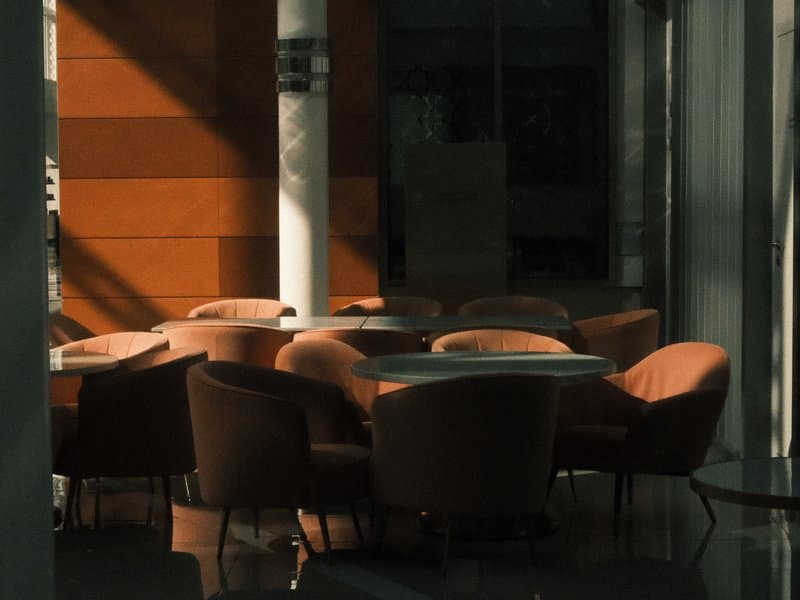

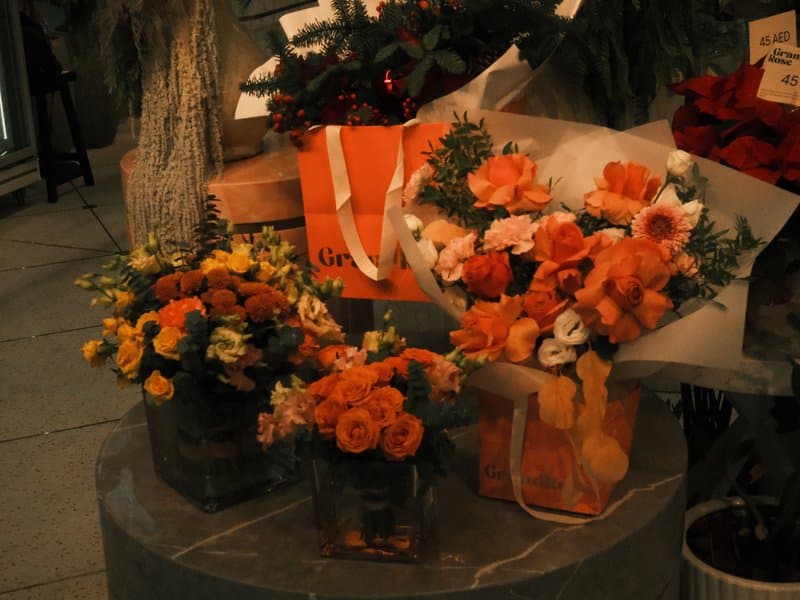
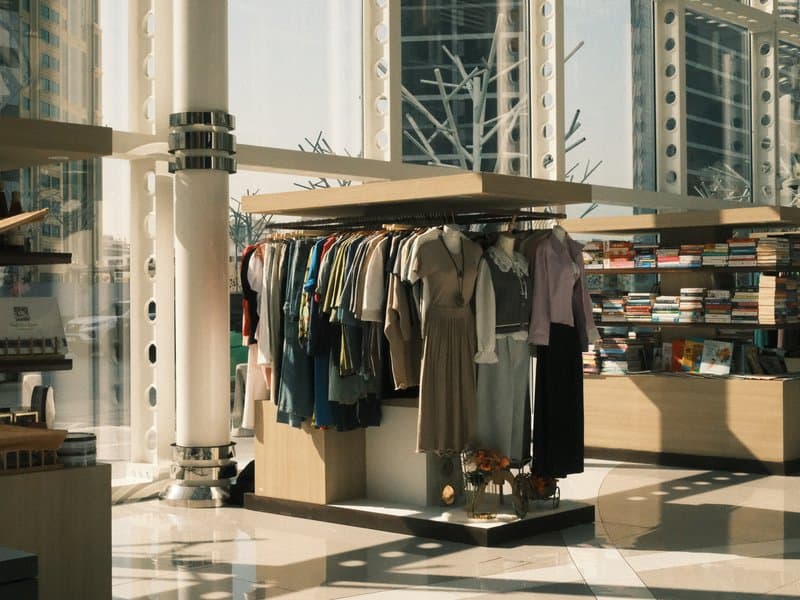
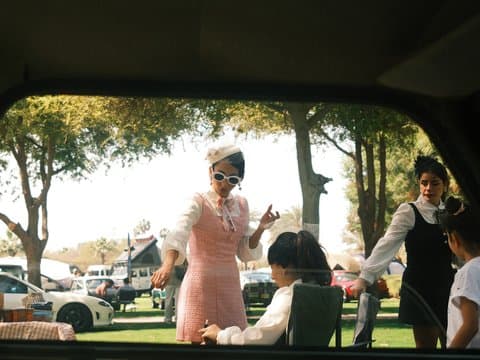
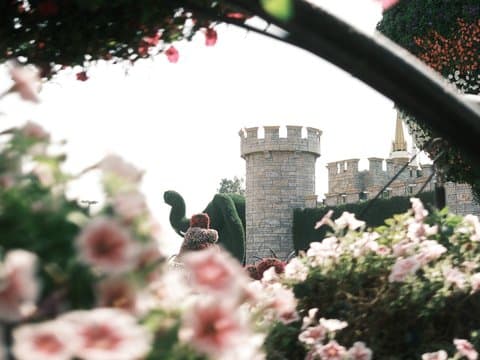
Unedited JPEGs from Fujifilm bodies — straight out of camera.
Film Reel Gold turns Classic Negative into a rich, cinematic look with a distinctly warm sense of atmosphere. Warm practical lights, deep shadows, saturated colour, and strong fine grain give interiors and everyday subjects the character of film stills rather than polished digital frames. It feels especially natural around cafés, interiors, still life, and quiet city streets under overcast skies. The fixed Daylight white balance also lets tungsten lighting take on a deep golden quality without losing the recipe’s consistent colour character.
This is a FujiPic Pro recipe. The film simulation is on the house; the other 15 settings unlock with Pro.
| Paramètre | Valeur | Copier |
|---|---|---|
| Film Simulation | Classic Negative | |
| Dynamic Range | ||
| Highlight | ||
| Shadow | ||
| Color | ||
| Sharpness |
Unlock every value for Film Reel Gold — and every other premium recipe in the library.
Film Reel Gold keeps things refreshingly simple. It starts from Classic Negative, with its characteristic separation of warm and cool tones, and leaves the tonal curve untouched, so the simulation's natural contrast does the work. A straight daylight white balance lets the ambient light speak, which means tungsten interiors glow gold and window light stays honest. Colour saturation is raised to enrich those tones, giving reds, yellows and teals a confident, cinematic presence without any added chrome depth effects. Softened micro-contrast and reduced sharpening pull the image away from clinical digital crispness, while strong, fine grain adds a gritty yet detailed texture. It particularly suits interiors, still life and low-light moments, where warm practical lights and deep shadows create frames that feel like stills from a character-driven film. Street scenes under overcast skies also take on a quietly nostalgic tone.
Film Reel Gold works best indoors under warm practical light, for still life, and on overcast city streets where its rich colour adds narrative mood. It is not suited to studio portraits or pure landscape work: the strong grain and saturated warmth can feel heavy where clean, neutral rendering is needed.
D'autres recettes de la bibliothèque avec une simulation de film, une ambiance ou un capteur proches.